Rechercher dans ce blog

Tuesday, August 3, 2021

NBA free agent signings 2021: Tracking all the deals in one place - SB Nation

The Milwaukee Bucks have been crowned NBA champions, and the 2021 NBA Draft has been competed. Now it’s time for free agency to take centerstage in the NBA.

Players and teams can start discussing contracts when the free agency moratorium begins on Monday, Aug. 2 at 6 p.m. ET. Contracts can’t become official until Aug. 6 at 12:01 p.m. ET.

Kawhi Leonard and Chris Paul headline this year’s free agency class. While neither of the veteran stars are expected to change teams this offseason, you never know what’s going to happen when free agency officially begins. Expect there to be significant player movement over the next month. We’ve already seen a couple big trades ahead of the 2021-2022 season, most notably with Russell Westbrook getting traded to the Los Angeles Lakers and Kemba Walker going from the Boston Celtics to the Oklahoma City Thunder in exchange for Al Horford.

You can find our free agency predictions here for the top players in the class. We’ll be updating this page with every signing in the NBA as it goes official.

2021 NBA free agency signings

  • Lonzo Ball and the Chicago Bulls have agreed to a four-year, $85 million deal in a sign-and-trade agreement, according to Woj. Garrett Temple, Tomas Satoransky, and a second round pick are reportedly going to New Orleans in the deal, per Shams.

Continued coverage: Read Blog-a-Bull on the Lonzo Ball signing for Chicago.

  • Chris Paul is staying with the Phoenix Suns on a four-year deal worth up to $120 million, per multiple reports.

Continued coverage: Read Bright Side of the Sun on CP3’s return.

  • Mike Conley is returning to the Utah Jazz on a three-year, $72.5 million deal, per Woj.

Continued coverage: Read SLC Dunk on Conley’s return.

Continued coverage: Read Hot Hot Hoops on Lowry to Miami.

  • Duncan Robinson is staying with the Heat on a five-year, $90 million deal, per Woj.
  • Tim Hardaway Jr. is returning to the Dallas Mavericks on a four-year, $74 million deal, per Woj.

Continued coverage: Read Mavs Moneyball on Hardaway returning to Dallas.

  • Doug McDermott is going to the San Antonio Spurs on a three-year, $42 million deal, per Shams.

Continued coverage: Read Pounding the Rock on the McDermott acquisition.

  • Dwight Howard is returning to the Lakers, per Woj.
  • Norman Powell is going to the Trail Blazers on a five-year, $90 million deal, per Woj.

Continued coverage: Read Blazers Edge for more on the Powell signing.

  • Shai Gilgeous-Alexander has agreed to a five-year, $172 million extension with the Thunder, per Woj.
  • Trae Young is getting a five-year, $207 million max extension with the Hawks, per Woj.
  • Spencer Dinwiddie is nearing a contract with the Wizards, per Woj.
  • Kent Bazemore to the Lakers on a one-year deal, per Shams.
  • Blake Griffin back to the Nets on a one-year deal, per Woj.
  • Dewayne Dedmon back to the Heat on a one-year deal, per Shams.
  • Austin Rivers back to the Nuggets on a one-year deal, per Chris Haynes.
  • Alex Caruso is signing with the Bulls for four years, $37 million, per Woj.

Reaction: Read Blog-a-Bull and Silver Screen and Roll on the Caruso news.

  • Wayne Ellington and Trevor Ariza are also coming to the Lakers, per reports.
  • JaMychal Green is returning to the Denver Nuggets for a two-year deal worth $17 million, per Shams.
  • Zach Collins to the Spurs on three-year, $22 million deal, per report.
  • Daniel Theis to the Rockets for four years, $36 million, per Woj.
  • Corey Joseph to the Pistons for two years, $10 million, per Chris Haynes.
  • Derrick Rose is returning to the Knicks for three years and $43 million, per Woj.
  • Jeff Green is going to the Denver Nuggets on a two-year, $10 million deal, per Malika Andrews.
  • Cody Zeller to the Trail Blazers on a one-year deal, per Woj.
  • Devonte’ Graham to the Pelicans for four years, $47 million, per Woj. It’s a sign-and-trade that will move a first rounder to the Hornets, per Shams.
  • David Nwaba is going back to the Houston Rockets on a three-year. $15 million deal, per Marc Stein.
  • Cameron Payne is returning to the Phoenix Suns on a three-year, $19 million deal, per Chris Haynes.
  • Evan Fournier is going to the New York Knicks on a four-year deal worth up to $78 million, per Woj.
  • Richaun Holmes is going back to the Kings for four years, $55 million with a player option on the last year of the deal, per Shams.
  • Nicolas Batum has a two-year deal to return to the Clippers, per Shams.
  • Bobby Portis is returning to the Bucks on a two-year, $9 million contract, per Shams.
  • Torrey Craig is going to the Indiana Pacers on a two-year, $10 million deal, per Woj.
  • Nerlens Noel is returning to the Knicks on a three-year, $32 million deal, per Woj.
  • JaVale McGee to the Suns, one-year, $5 million, per Chris Haynes.
  • Alec Burks has agreed to a three-year, $30 million deal to stay with the New York Knicks, per Woj.
  • Semi Ojeleye is going to the Bucks on a one-year deal, per Woj.
  • Gary Trent Jr. has agreed to a three-year, $54 million deal with the Raptors, per Woj.

Reaction: Raptors HQ on the Trent Jr. news.

We’ll update this post as free agency develops.

Adblock test (Why?)


NBA free agent signings 2021: Tracking all the deals in one place - SB Nation
Read More

Monday, August 2, 2021

Films a place to tell stories for Marie Clements - Parksville-Qualicum Beach News

– Story by Lin Stranberg Photography by Lia Crowe

“Crazy storytellers are always inspired by their stories. They don’t give up.”

Marie Clements, a multitalented artist and playwright, likes to keep it simple. She is just grateful she is able to tell her stories. After a long festival run that continued into 2020, her feature film Red Snow was scheduled for theatrical release on March 13, 2020—the day that COVID-19 closed everything down.

“You can’t plan for a pandemic,” she said.

Nothing stays the same, either inside or outside a pandemic. Red Snow, which launched on CBC Gem in October 2020, has since become widely accessible via streaming services across the border. It was recently picked up by Elevation Pictures and released in the United States across all digital platforms. It’s streaming on Netflix in the US and available as a DVD, opening it up to reaching a much broader audience.

Filmed on location in the Northwest Territories and BC’s desert interior, Red Snow tells the story of a Gwich’in soldier from the Canadian Arctic who is captured by the Taliban in Panjwayi, Afghanistan, and escapes across rough terrain with a Pashtun family. Written and directed by Clements, a Métis/Dene playwright, screenwriter, composer, director and producer, the film was shot in four languages: Gwich’in, Inuvialuktun, Pashto and English.

It was nominated for 10 Leo Awards from the BC film industry, and named Most Popular Canadian Feature Film at the Vancouver International Film Festival (VIFF) and Best Canadian Feature Film at the Edmonton International Film Festival. At the 2019 American Indian Film Festival (AIFF) in San Francisco, it earned nominations for Best Actor, Best Supporting Actress and Best Film. Red Snow also won the Best Feature Director and Best Achievement in Film from the LA Skins Festival in Los Angeles.

Clements’ award-winning documentary and feature films have screened around the world—Cannes, TIFF, MOMA and VIFF, the Whistler Film Festival, American Indian Film Festival and imagineNATIVE Film + Media Arts Festival.

Her work as a playwright has been recognized with the 2004 Canada-Japan Literary Award and two Governor General’s Literary Award nominations, and her 15 plays have been presented on some of the most prestigious stages for Canadian and international work. The Unnatural and Accidental Women opened the first national Indigenous theatre at Ottawa’s National Arts Centre and her opera Missing toured nationally.

Of her extraordinary career as an artist across multiple media, Clements simply says, “I was interested in broadcast journalism in my teens and early 20s. I was looking for a place where I could tell stories, and theatre was going to allow an entry in. I expanded my craft, always asking myself what the genre was about and looking for how story works within the capabilities of each genre. All these different things are great taskmasters—they make you hone your discipline. It’s always exciting to be challenged and to rise to the challenge of every story.”

She admits it’s taken a lot to get her work out there: “The reality of making things real is not for the faint of heart—you not only work as a craftsperson, but you have to be strategic, too. It’s not all sexy and great.”

Before the pandemic, when travel was still a thing, Clements was always on the move, showing her work at festivals across North America and in Europe. Now she lives quietly on Galiano Island; these days even her trips to Vancouver are less frequent.

But Clements is okay with that.

“I’m a West Coast girl, born and raised in Vancouver and I live primarily on Galiano. There’s a certain grace to living here—my aunt and mother came down from the north and had their children here, so there’s a strong family connection,” she says. “I’ve been doing a lot of writing lately, and on the island you’re close to nature, which is a great backdrop to writing a lot. The island is still quite small. There are no banks. There’s a gas station, a pub. We’re close to a lot of things in nature, the ocean, the rain forest…it’s a simpler life.”

While her work on features and documentaries “kind of goes on and on,” she is largely focused on writing a five-episode mini-series, Bones of Crows, about a Cree matriarch, a Second World War code talker, across five generations of her family’s experience of the residential school legacy.

The Road Forward, a soul-stirring musical documentary that Clements first presented as a live musical performance in Vancouver, is probably her best-known film. Through song and narrative, she tells the compelling and powerful history of six generations of Indigenous activism, linking the beginning of Canadian First Nation nationalism in the 1930s with the First Nations activism of today.

The Road Forward was produced by the National Film Board and had a huge festival run, premiering at Hot Docs Canadian International Documentary Festival in Toronto in 2017, opening the 2017 DOXA Documentary Film Festival in Vancouver, closing the 2018 imagineNATIVE Film + Media Arts Festival and receiving five Leo Awards, including Best Production, Best Director and Best Screenwriter.

Despite all the acclaim, Clements is very much that nature-loving West Coast girl. She feels the difference out here.

“Certainly, the West Coast has its own style of activism and environmental concerns. We’re not separated from nature, we’re still in it. It makes us different people,” she says. “The culture that shapes the land and the language informs and shapes who we are.”

She adds: “Like all creators around the world, I create different stories at the same time and there’s a natural rhythm to how they ultimately get told. This has changed radically for everyone—and we’re all looking to find a way in this new paradigm, understanding the urgency to tell a story always finds the way.”

Marie Clements website can be found here.

Story courtesy of Boulevard Magazine, a Black Press Media publication

Like Boulevard Magazine on Facebook and follow them on Instagram

Adblock test (Why?)


Films a place to tell stories for Marie Clements - Parksville-Qualicum Beach News
Read More

Films a place to tell stories for Marie Clements - Summerland Review

– Story by Lin Stranberg Photography by Lia Crowe

“Crazy storytellers are always inspired by their stories. They don’t give up.”

Marie Clements, a multitalented artist and playwright, likes to keep it simple. She is just grateful she is able to tell her stories. After a long festival run that continued into 2020, her feature film Red Snow was scheduled for theatrical release on March 13, 2020—the day that COVID-19 closed everything down.

“You can’t plan for a pandemic,” she said.

Nothing stays the same, either inside or outside a pandemic. Red Snow, which launched on CBC Gem in October 2020, has since become widely accessible via streaming services across the border. It was recently picked up by Elevation Pictures and released in the United States across all digital platforms. It’s streaming on Netflix in the US and available as a DVD, opening it up to reaching a much broader audience.

Filmed on location in the Northwest Territories and BC’s desert interior, Red Snow tells the story of a Gwich’in soldier from the Canadian Arctic who is captured by the Taliban in Panjwayi, Afghanistan, and escapes across rough terrain with a Pashtun family. Written and directed by Clements, a Métis/Dene playwright, screenwriter, composer, director and producer, the film was shot in four languages: Gwich’in, Inuvialuktun, Pashto and English.

It was nominated for 10 Leo Awards from the BC film industry, and named Most Popular Canadian Feature Film at the Vancouver International Film Festival (VIFF) and Best Canadian Feature Film at the Edmonton International Film Festival. At the 2019 American Indian Film Festival (AIFF) in San Francisco, it earned nominations for Best Actor, Best Supporting Actress and Best Film. Red Snow also won the Best Feature Director and Best Achievement in Film from the LA Skins Festival in Los Angeles.

Clements’ award-winning documentary and feature films have screened around the world—Cannes, TIFF, MOMA and VIFF, the Whistler Film Festival, American Indian Film Festival and imagineNATIVE Film + Media Arts Festival.

Her work as a playwright has been recognized with the 2004 Canada-Japan Literary Award and two Governor General’s Literary Award nominations, and her 15 plays have been presented on some of the most prestigious stages for Canadian and international work. The Unnatural and Accidental Women opened the first national Indigenous theatre at Ottawa’s National Arts Centre and her opera Missing toured nationally.

Of her extraordinary career as an artist across multiple media, Clements simply says, “I was interested in broadcast journalism in my teens and early 20s. I was looking for a place where I could tell stories, and theatre was going to allow an entry in. I expanded my craft, always asking myself what the genre was about and looking for how story works within the capabilities of each genre. All these different things are great taskmasters—they make you hone your discipline. It’s always exciting to be challenged and to rise to the challenge of every story.”

She admits it’s taken a lot to get her work out there: “The reality of making things real is not for the faint of heart—you not only work as a craftsperson, but you have to be strategic, too. It’s not all sexy and great.”

Before the pandemic, when travel was still a thing, Clements was always on the move, showing her work at festivals across North America and in Europe. Now she lives quietly on Galiano Island; these days even her trips to Vancouver are less frequent.

But Clements is okay with that.

“I’m a West Coast girl, born and raised in Vancouver and I live primarily on Galiano. There’s a certain grace to living here—my aunt and mother came down from the north and had their children here, so there’s a strong family connection,” she says. “I’ve been doing a lot of writing lately, and on the island you’re close to nature, which is a great backdrop to writing a lot. The island is still quite small. There are no banks. There’s a gas station, a pub. We’re close to a lot of things in nature, the ocean, the rain forest…it’s a simpler life.”

While her work on features and documentaries “kind of goes on and on,” she is largely focused on writing a five-episode mini-series, Bones of Crows, about a Cree matriarch, a Second World War code talker, across five generations of her family’s experience of the residential school legacy.

The Road Forward, a soul-stirring musical documentary that Clements first presented as a live musical performance in Vancouver, is probably her best-known film. Through song and narrative, she tells the compelling and powerful history of six generations of Indigenous activism, linking the beginning of Canadian First Nation nationalism in the 1930s with the First Nations activism of today.

The Road Forward was produced by the National Film Board and had a huge festival run, premiering at Hot Docs Canadian International Documentary Festival in Toronto in 2017, opening the 2017 DOXA Documentary Film Festival in Vancouver, closing the 2018 imagineNATIVE Film + Media Arts Festival and receiving five Leo Awards, including Best Production, Best Director and Best Screenwriter.

Despite all the acclaim, Clements is very much that nature-loving West Coast girl. She feels the difference out here.

“Certainly, the West Coast has its own style of activism and environmental concerns. We’re not separated from nature, we’re still in it. It makes us different people,” she says. “The culture that shapes the land and the language informs and shapes who we are.”

She adds: “Like all creators around the world, I create different stories at the same time and there’s a natural rhythm to how they ultimately get told. This has changed radically for everyone—and we’re all looking to find a way in this new paradigm, understanding the urgency to tell a story always finds the way.”

Marie Clements website can be found here.

Story courtesy of Boulevard Magazine, a Black Press Media publication

Like Boulevard Magazine on Facebook and follow them on Instagram

Adblock test (Why?)


Films a place to tell stories for Marie Clements - Summerland Review
Read More

Why the art of place-making can lift our cities - World Economic Forum

• Place-making, to effectively contribute to urban development, depends on paying attention to small details.

• Such fastidiousness makes the differences when designing for sustainability.

• Stakeholder engagement is also crucial in maximizing the potential of place.

I joined the real estate sector relatively late in my career and was given a lot of advice in the weeks leading up to my first day at work. One of the most poignant remarks, which I still remember to this day, was to make sure I took the time to walk the streets of our developments or places, and immerse myself.

When I asked what aspects I should pay attention to and in how much detail, I was told: “The location of the lampposts, the colour of the flagstones, the types of artwork, the species of trees, the way people move about. In short, everything. You’ll need it because your colleagues have been studying it for years.”

I didn’t realise it at the time, but this was aimed at ensuring that I developed an appreciation of the art of place-making that we see deftly occurring in developments such as Roppongi Hills in Tokyo or King's Cross in London. I particularly admire these projects, due to the extent that they reimagine the urban fabric in two of the great world cities. Roppongi Hills, for example, required innovative land use to complete the largest private-sector urban redevelopment project in Japan. A variety of uses, from office to museums to retail helps to create a community feel, and vast amounts of green space, from rooftops to walking courses further encourages public use.

For place-making to be a success, it is essential that every aspect of a development be carefully considered to create a space that is the most it can possibly be. Stakeholder engagement gets a lot easier if, as my mentor suggested, you can tune into all these diverse factors. Looking back 15 years later, I remain very grateful for that advice.

Sustainability is currently a leading consideration in place-making at Swire Properties – one where the closely intertwined principles of creativity and innovation must come into play. It is not enough to have high specification structures that go above and beyond statutory requirements in design and sustainability criteria, such as in One Taikoo Place in Hong Kong. Here, we have a special team dedicated to improving the sustainability features in our older buildings; while 89% of Taikoo Place comprises of green buildings, some of them were built in the 1970s and need extra attention. We know sustainability is also important to our tenants and the wider communities that we serve.

Therefore, we have set long-term decarbonisation goals for our properties around the world under our SD 2030 programme, in line with the Paris Climate Agreement. One useful engagement practice we instituted back in 2008 was free energy audits for both office and retail tenants. This has resulted in 9 million kWh in annual electricity savings, which is a staggering amount. You can run about 2.6 million home air conditioners for an hour with that power.

The key to being successful in driving sustainability is not only investment support and relevant technology, but also partnerships that enhance the ability to conduct data analytics and benchmarking to determine how to best improve energy efficiency. Many developers around the world have been collaborating with educational institutions to develop big data analysis and KPI monitoring to enhance energy optimization in the built environment. This is also extending into the wider supply chain, where there is a growing trend of integrated design approaches where sustainability is integrated throughout the entire life cycle of a development.

Another key aspect of place-making and stakeholder engagement in dense urban settings is the manner walkability can be boosted. Those that know Hong Kong will be familiar with the ubiquitous number of hillside hiking trails that provide a quick and often convenient getaway from the urban hustle. It is obvious people like to take a stroll, but in urban landscapes the right environment for them to do that must be designed.

It has been encouraging to see that over the course of the pandemic, cities across the world from Athens to Auckland have been making changes to reduce vehicle traffic and create more pedestrian-friendly streets. The Mayor of London, for instance, has been active in encouraging the identification of more streets and spaces suitable for temporary or timed pedestrianisation; more “streateries”, as well as the development of localised outdoor seating venues, will emerge. Chicago spent many years developing its Pedway network: a series of underground tunnels and overhead bridges that link more than 40 blocks in the central business district. The public can therefore walk free from the discomfort of bad weather.

The essence of stakeholder engagement is to get varied and wide perspectives to conceive better solutions or ideas on how to develop land. The Treasure Island development in San Francisco demonstrates the necessity of strong partnerships to both improve liveability and also address aspects of resilience critical to place-making. Treasure Island is the largest development of new open space in San Francisco since 1871 and required a team of engineers to address the threat of rising sea level rise and soil stability. Through testing and modelling, a programme was established to make all streets 36 inches higher than the base flood elevation. The development will ultimately turn the former naval station into a mixed-use neighbourhood with vast stretches of public parks, biking and walking trails, hospitality and office space along with close to 8,000 homes, 27% of which will be designated as affordable.

Engaging environmentalists and biologists from Hong Kong University has helped with landscape planning in and around Taikoo Place, where we are developing urban gardens that will boost biodiversity and complement existing parks and recreational facilities in the area. We are creating some 6,400 square metres of green space at street level, a significant amount in the dense urban metropolis of Hong Kong. Auditing of biodiversity in and around our development footprint helps emphasise the environmental challenge we face to our teams, and elevate consciousness that urban areas are and can be home to a wide range of flora and fauna.

Another key stakeholder during such projects are the local authorities. The first step towards developing gardens for instance is securing street-level space that can be transformed. In the Sanlitun area of Beijing, for examples, the Opposite House Community Garden was only established with the help of the Chaoyang District Government. Cultivating an attractive design and detailed plans required patience, compromise and empathy from all sides to reach a mutually acceptable solution.

While investable real estate has grown by more than 55% since 2012 (PwC), the COVID-19 crisis has underscored weaknesses in relation to human and planetary health along with drastic inequalities, leaving a stark reminder of the influence the built environment has on societies and the vulnerabilities that exist in times of crisis regarding how spaces perform.

Image: PwC

As the real estate industry looks towards recovery, the need for transformation is clear. Portfolios must be rebalanced, and distressed assets repurposed. Technology must be fully embraced, and sustainability and wellness must be at the core of design and operation. The affordable housing crisis that already existed pre COVID-19 must be systemically approached to ensure access to adequate and affordable housing. If the Real Estate industry is to deliver transformation, it is more important than ever to ensure that policy, financing and business solutions are aligned in delivering better buildings and cities.

The World Economic Forum has brought together CEOs from the Real Estate industry to develop a Framework for the Future of Real Estate to help drive the industry’s transition to a healthier, more affordable, resilient and sustainable world.

If I ever need an energy boost and a dose of inspiration, I like to chat to our new recruits at Swire Properties’ Placemaking Academy. They are a cohort of youngsters from Hong Kong that we take in every year, empowered to work on the latest projects within our portfolios, ranging from markets that focus on providing local produce to Christmas fairs suitable for a new era of social distancing regulations. They remind me that the future of the art of place-making is alive and well.

License and Republishing

Adblock test (Why?)


Why the art of place-making can lift our cities - World Economic Forum
Read More

Sunday, August 1, 2021

Vettel loses second-place finish in Hungary after disqualification for fuel sample issue - Formula 1 RSS UK

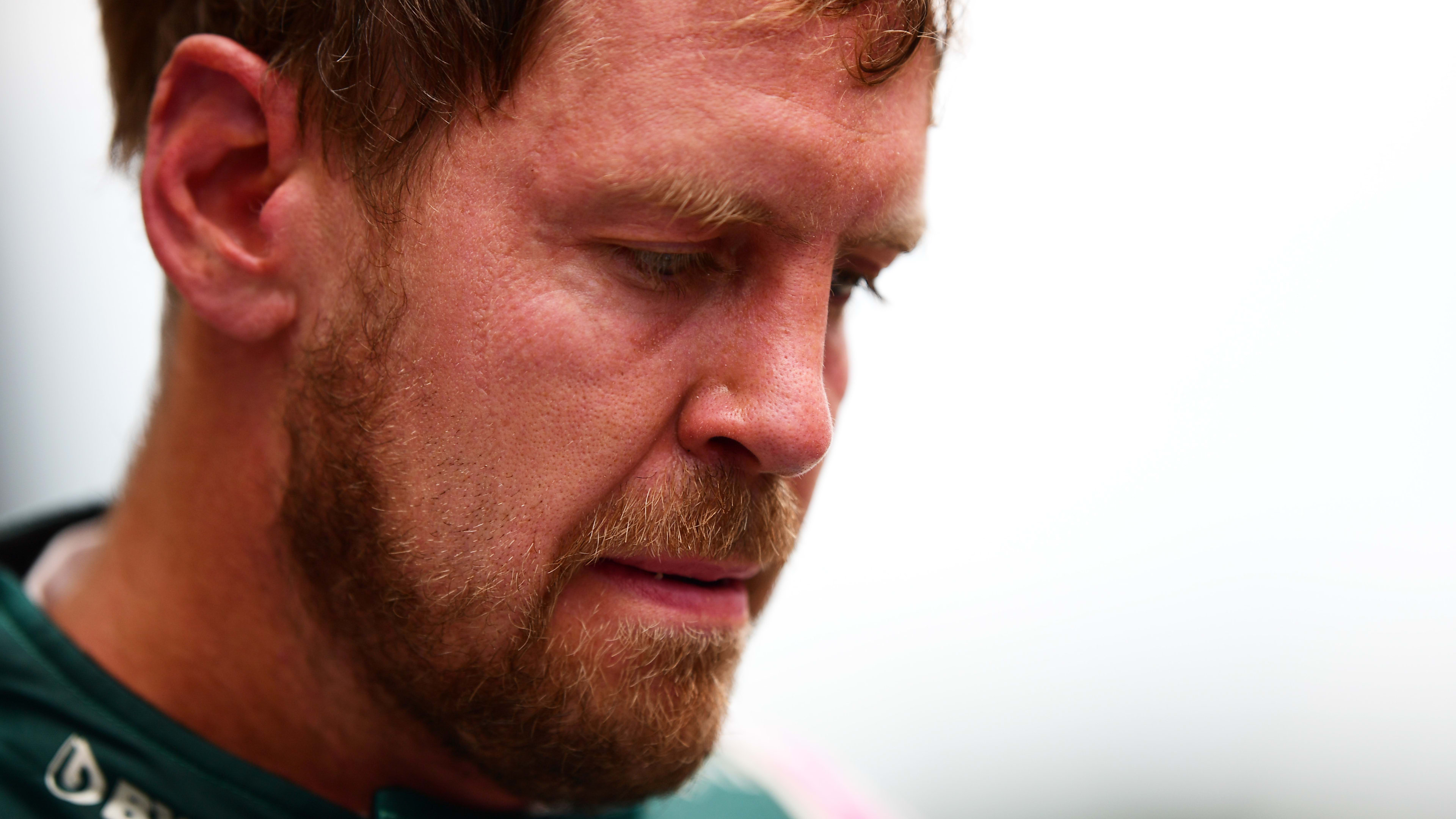
Aston Martin’s Sebastian Vettel has lost his second-place finish and been disqualified from the results of the Hungarian Grand Prix after race officials were unable to take the required fuel sample from his car following the race.

Under the technical regulations, competitors must ensure that a 1.0 litre sample of fuel may be taken from the car at any time during the event – however it was only possible to take 0.3 litres from Vettel’s Aston Martin after Sunday’s race.

The decision means that Mercedes’ Lewis Hamilton inherits second place, with Ferrari’s Carlos Sainz classified as the final podium finisher in third.

Aston Martin have announced their intention to appeal, adding on Twitter: "The 18 points loss is disappointing for the team, but it doesn't take away from an otherwise flawless drive from Sebastian.

"Today we showed that our car has strong race pace. Onwards and upwards."

The rest of the top 10 behind Vettel also inherit a place each, with Alfa Romeo’s Kimi Raikkonen promoted from P11 into the final points paying position of P10.

The result also means Hamilton extends his title lead over Max Verstappen by a further two points after picking up 18 points to Verstappen’s two.

The stewards' verdict in full

"The Stewards heard from the team representative.

"After the race it was not possible to take a 1.0 litre sample of fuel from car 5.

"The team was given several opportunities to attempt to remove the required amount of fuel from the tank, however it was only possible to pump 0.3 litres out.

"During the hearing in presence of the FIA Technical Delegate and the FIA Technical Director the team principal of Aston Martin stated that there must be 1,44 litres left in the tank, but they are not able to get it out. This figure is calculated using the FFM or injector model.

"Given this situation, car No. 5 is not in compliance with the requirements of Art. 6.6 FIA Technical Regulations. According to Art. 6.6.2 competitors must ensure that a 1.0 litre sample of fuel may be taken from the car at any time. The procedure was followed however the 1.0 litre sample of fuel was unable to be taken.

"The Stewards determine to apply the standard penalty for technical infringements. Therefore they took into account, that it shall be no defence to claim that no performance advantage was obtained.

"Competitors are reminded that they have the right to appeal certain decisions of the Stewards, in accordance with Article 15 of the FIA International Sporting Code and Article 10.1.1 of the FIA Judicial and Disciplinary Rules, within the applicable time limits."

Adblock test (Why?)


Vettel loses second-place finish in Hungary after disqualification for fuel sample issue - Formula 1 RSS UK
Read More

Live Nation is going to make some big investments at Ontario Place over the next nine years - A Journal of Musical Things

Ontario Place, the lakefront leisure destination in Toronto, is in desperate need of renovation and updating. While parts of it have remained operating, most of the park has been shut down for years as governments tried to figure out what to do with it.

This past week, some announcements were made. The changes won’t come fast–they may take until 2030–but at least something’s happening.

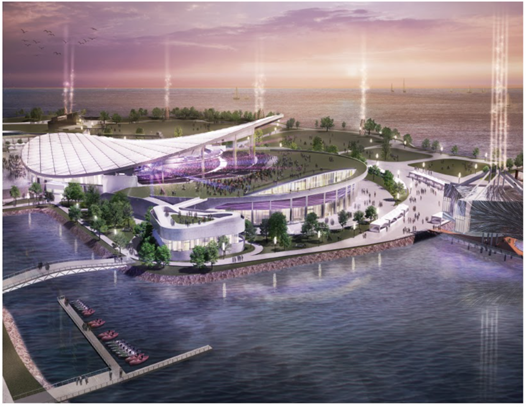
The big news for music fans is Live Nation’s plans. Their amphitheatre–now called the Budweiser Stage–has been in operation since May 1995 and could use some re-imagining. And it will be:

  • The current amphitheare will be renovated to accomodate 20,000 people in an outdoor configuration, which is a little bigger than it is now.
  • It will also be configurable for year-round use as an indoor facility with a capacity of 9,000.

The goal will be to accommodate one million visitors per year.

Cool. Make it so.

Adblock test (Why?)


Live Nation is going to make some big investments at Ontario Place over the next nine years - A Journal of Musical Things
Read More

Padres place Fernando Tatis Jr. on 10-day IL with shoulder trouble - Sportsnet.ca

SAN DIEGO — Electrifying shortstop Fernando Tatis Jr. of the San Diego Padres was placed on the 10-day injured list Saturday, a day after partially dislocating his left shoulder for the third time this season.

The Padres announced the move prior to their game against the Colorado Rockies. They also placed right-hander Chris Paddack on the IL with an oblique injury.

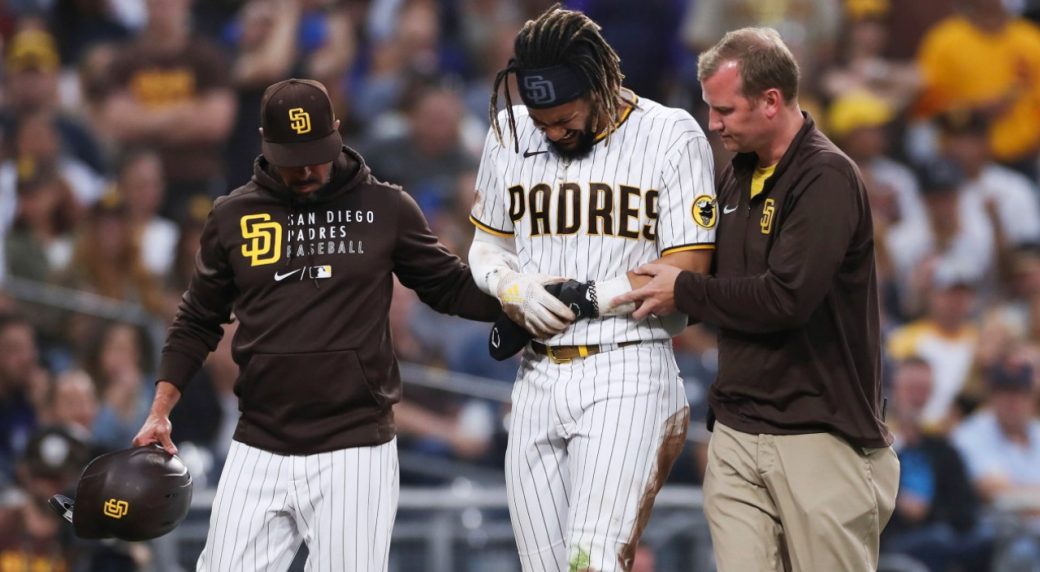
Tatis, the NL’s starting shortstop in the All-Star game, was injured Friday night while sliding awkwardly into third base in the first inning against the Rockies. He was in pain as he was led off the field by manager Jayce Tingler and a trainer.

Tingler said after Saturday night’s 5-3 loss that Tatis will be re-evaluated in 10 days and if he hasn’t made enough progress, season-ending surgery “would be on the table.”

Before the game, Tingler said Tatis was “a little bit more sore than maybe some of them we’ve had in the past.”

The Padres, who are in third place in the NL West and in control of the second wild-card spot, are keeping their fingers crossed that their superstar will be back in 10 days.

Tatis leads the NL with 31 home runs and 23 stolen bases. He’s hitting .292 with 70 RBIs.

His left shoulder has become a concern. He’s injured the joint while swinging his bat, diving for a grounder and sliding. Two of those three injuries have landed him on the IL.

The Padres said Tatis had an MRI Saturday morning and has instability and inflammation in his left shoulder.

“We were under the very realistic possibility that once it comes out and goes back in, there’s a very good chance that could repeat and continue to happen,” Tingler said. “We certainly understand the risk and with the understanding that certainly with the slide yesterday, he just ended up in an awkward position like that, there was a chance of that possibly happening.”

On Friday night, Tatis singled and advanced on Manny Machado’s sharp grounder to third baseman Ryan McMahon, who came up with the ball but then had it pop out of his glove and roll behind him into short left field. Tatis made a dash for third but shortstop Brendan Rodgers ran toward third, took the throw from McMahon and tagged out the sliding Tatis.

Tatis slid into the bag, landing hard on his left shoulder and crumbling in pain a few feet away, bringing a hush over Petco Park. Tingler and a trainer helped Tatis off the field as he winced in pain, holding his left arm. The trainer was holding Tatis’ upper arm/shoulder.

Tatis suffered a partially dislocated left shoulder on a violent swing April 5 against San Francisco and went on the 10-day injured list. He reinjured the shoulder diving for a ball and left a game against Cincinnati on June 19 but missed only one game.

The 22-year-old Tatis left a spring training game after hurting the shoulder while making a throw but was back two days later. He revealed then that he had been dealing with shoulder discomfort since his minor league days.

Tatis also missed eight games in mid-May after testing positive for COVID-19.

Tatis has wowed fans with his tape-measure home runs and bat flips, daring baserunning and aggressive plays at shortstop, although he leads the majors with 20 errors.

The Padres have worked with him to get him to cut down on his headfirst slides. His slide Friday night was feet first.

He became the first Padres player voted to start an All-Star Game since Tony Gwynn in 1999.

Adblock test (Why?)


Padres place Fernando Tatis Jr. on 10-day IL with shoulder trouble - Sportsnet.ca
Read More

Our Place Society dishes up holiday cheer at annual Christmas lunch in Victoria – Vancouver Island Free Daily - vancouverislandfreedaily.com

Our Place Society kicked off the holidays in gourmet style this year, treating clients to turkey, potatoes, stuffing and vegetables on Wedn...